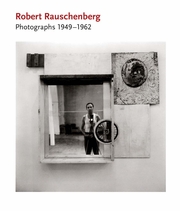
ARTBOOK BLOGEventsStore NewsMuseum Stores of the MonthNew Title ReleasesStaff PicksImage GalleryBooks in the MediaExcerpts & EssaysArtbook InterviewsEx LibrisAt First SightThe Artbook 2023 Gift GuidesArtbook Featured Image ArchiveArtbook D.A.P. Events ArchiveDATE 6/1/2024 There's no such thing as being extra in June! Pride Month Staff Picks 2024DATE 5/12/2024 Black Feminist World-Building in LaToya Ruby Frazier’s ‘Monuments of Solidarity’DATE 5/8/2024 The World of Tim Burton in rare, archival materialsDATE 5/5/2024 Eugene Richards' eloquent new photobook documenting Green-Wood CemeteryDATE 5/5/2024 Artbook at Hauser & Wirth LA Bookstore presents Yasmine Ostendorf-Rodríguez and David Horvitz on 'Let's Become Fungal'DATE 5/2/2024 Dan Walsh and Bob Nickas to launch 'The Process of Painting' at Paula Cooper GalleryDATE 5/1/2024 A new book on NYC graffiti art legend Lee QuiñonesDATE 4/30/2024 Rizzoli Bookstore presents Roger A. Deakins with James Ellis Deakins and Matthew Heineman on 'Byways'DATE 4/30/2024 Danny Lyon at Photobook AustinDATE 4/25/2024 Join us at Printed Matter's NY Art Book Fair 2024!DATE 4/25/2024 Joshua Charow's 'Loft Law' documents the last of NYC's original artist loftsDATE 4/25/2024 The Strand presents Joshua Charow in conversation with Wendy Goodman for the launch of 'Loft Law'DATE 4/24/2024 Bungee Space presents Set Margins’ 6-Book Launch and Get Together | BOOKS IN THE MEDIAJAMES LUCAS | DATE 9/14/2011Robert Rauschenberg: Photographs, Featured in New York MagazineIn this week's New York Magazine, critic Jerry Saltz features D.A.P. Publishing's Robert Rauschenberg: Photographs 1949–1962. This extraordinary new collection debuts alongside a projection of images from the book at the Robert Rauschenberg Foundation Project Space (455 W. 19th Street), which will remain on view through October 3. 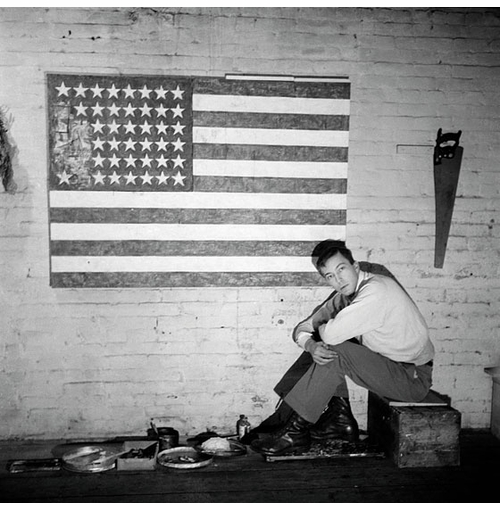  |