| RECENT POSTS DATE 10/22/2026 DATE 10/14/2026 DATE 9/20/2026 DATE 9/16/2026 DATE 9/13/2026 DATE 9/12/2026 DATE 9/11/2026 DATE 9/11/2026 DATE 9/3/2026 DATE 8/30/2026 DATE 8/27/2026 DATE 8/25/2026 DATE 8/20/2026
| | |  CORY REYNOLDS | DATE 9/16/2014In his chapter on visionary and comic-book artist Jack Kirby, one of the featured artists in What Nerve!, his must-see and much talked-about exhibition of alternative figures in American art from 1960 to the present, curator Dan Nadel describes Dream Machine (1970-75), a detail of which is reproduced here. "There’s nothing else quite like it in Kirby’s ouvre. It is, of course, deeply psychedelic, and reminds me of work by the British design collective Archigram, drawings by Ettore Sottsass, and the maximalist paintings of Icelandic pop artist Erro, but in relation to contemporary art, Kirby was working mostly in a vacuum, even as his comic-book art found wider and wider purchase via appropriations by Richard Hamilton (1956’s Just what is it that makes today’s homes so different, so appealing?) and Roy Lichtenstein (Image Duplicator, 1963). Dream Machine has an internal logic that reinforces its title. I imagine it to be for Kirby a fully operational machine, the likes of which he never had the chance to fully flesh out in narrative comics. This is not a sprawling indulgence—it’s formally coherent. Every part of the machine connects, and it looks as though it, with looming face, could lurch into motion, creating as-yet unknown artifacts from the future. Machines fascinated Kirby his entire life, and he loved reading Popular Mechanics and various science magazines. A child of the Depression and a World War II veteran who saw horrific action, Kirby always found the future glowing and full of possibilities. He was, despite it all, an optimist."  D.A.P.
Pbk, 8.75 x 10.5 in. / 368 pgs / 300 color.
 DATE 9/11/2026  DATE 9/3/2026  DATE 8/30/2026 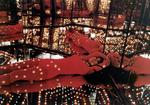 DATE 8/27/2026  DATE 8/25/2026  DATE 8/20/2026  DATE 8/17/2026  DATE 8/13/2026  DATE 8/11/2026  DATE 8/6/2026  DATE 7/30/2026  DATE 7/26/2026  DATE 7/23/2026  DATE 7/20/2026  DATE 7/16/2026  DATE 7/13/2026  DATE 7/11/2026  DATE 7/8/2026  DATE 7/6/2026  DATE 7/4/2026  DATE 6/30/2026  DATE 6/26/2026  DATE 6/22/2026  DATE 6/19/2026  DATE 6/18/2026  DATE 6/18/2026  DATE 6/13/2026  DATE 6/12/2026  DATE 6/11/2026  DATE 6/9/2026  DATE 6/7/2026  DATE 6/3/2026  DATE 6/1/2026  DATE 5/28/2026  DATE 5/22/2026  DATE 5/20/2026  DATE 5/19/2026  DATE 5/13/2026  DATE 5/11/2026  DATE 5/7/2026  DATE 5/6/2026  DATE 5/3/2026  DATE 5/1/2026  DATE 4/27/2026  DATE 4/23/2026  DATE 4/21/2026  DATE 4/17/2026  DATE 4/16/2026  DATE 4/14/2026  DATE 4/9/2026  DATE 4/7/2026  DATE 4/5/2026  DATE 4/5/2026  DATE 4/1/2026  DATE 3/29/2026  DATE 3/27/2026  DATE 3/24/2026  DATE 3/21/2026  DATE 3/20/2026  DATE 3/17/2026  DATE 3/17/2026  DATE 3/11/2026  DATE 3/9/2026  DATE 3/8/2026  DATE 3/5/2026  DATE 3/4/2026  DATE 3/1/2026  DATE 3/1/2026  DATE 2/25/2026  DATE 2/19/2026  DATE 2/16/2026  DATE 2/14/2026  DATE 2/9/2026  DATE 2/5/2026  DATE 1/29/2026  DATE 1/28/2026  DATE 1/25/2026  DATE 1/22/2026  DATE 1/19/2026  DATE 1/12/2026  DATE 1/11/2026  DATE 1/5/2026  DATE 1/1/2026  DATE 1/1/2026  DATE 12/25/2025  DATE 12/19/2025  DATE 12/18/2025  DATE 12/16/2025  DATE 12/9/2025  DATE 12/8/2025 |
|