| RECENT POSTS DATE 10/31/2026 DATE 10/24/2026 DATE 10/23/2026 DATE 10/22/2026 DATE 10/17/2026 DATE 10/16/2026 DATE 10/15/2026 DATE 10/14/2026 DATE 10/14/2026 DATE 10/13/2026 DATE 10/13/2026 DATE 10/12/2026 DATE 10/12/2026
| | |  CORY REYNOLDS | DATE 4/17/2014"In the 1970s travel, like meditation or drug consumption, was one of what Michel Foucault would later call "technologies of the self": practices or techniques that promised expanded consciousness and psychedelic experiences. Drifters and young members of various subcultures created a kind of alternative tourism, opening new routes and means of travel remote from the streams of tourists in more expected places. Like many artists in the early 1970s Polke hit the road. Like other tourists he brought cameras and film. In 1978 he made large-format prints of some black-and-white photographs that he had taken in Pakistan four years earlier, one of which shows men smoking water or opium pipes. Polke painted on the image with various colors of the egg-white glazes commonly used to retouch photographs, so that sometimes the paint tints the men's robes, making the photograph resemble illustrations in the travel books and magazines Polke collected, and at other times it extends across the surface independent of the subject matter, like an orientalizing ornament. The entertainment journal Praline called Afghanistan 'a country outside of time, perhaps . . . something like the last refuge of timelessness'—a swooning description, as if made by 'the children of Marx and Coca-Cola.' Polke's artistic innovations were not in evidence in the photographs taken on the spot; they surfaced afterward in his studio and his darkroom." Featured passage, by Kathrin Rottmann, is excerpted from Sigmar Polke: Alibis, the exhibition catalog to the major retrospective opening at MoMA April 19. Featured image is "Untitled (Quetta, Pakistan)" (1974-78).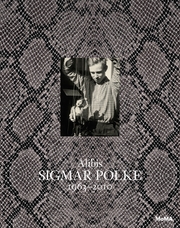 The Museum of Modern Art, New York
Hbk, 9.5 x 12 in. / 320 pgs / 520 color.
 DATE 10/14/2026  DATE 10/13/2026  DATE 10/12/2026  DATE 10/8/2026  DATE 10/2/2026  DATE 9/28/2026  DATE 9/22/2026  DATE 9/17/2026  DATE 9/15/2026  DATE 9/13/2026  DATE 9/11/2026  DATE 9/3/2026  DATE 8/30/2026  DATE 8/27/2026  DATE 8/25/2026 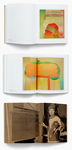 DATE 8/20/2026  DATE 8/17/2026  DATE 8/11/2026  DATE 8/6/2026  DATE 7/30/2026  DATE 7/26/2026  DATE 7/23/2026  DATE 7/20/2026  DATE 7/16/2026  DATE 7/13/2026  DATE 7/11/2026  DATE 7/8/2026  DATE 7/6/2026  DATE 7/4/2026  DATE 6/30/2026  DATE 6/26/2026  DATE 6/22/2026  DATE 6/19/2026  DATE 6/18/2026  DATE 6/18/2026  DATE 6/13/2026  DATE 6/12/2026  DATE 6/11/2026  DATE 6/9/2026  DATE 6/7/2026  DATE 6/3/2026  DATE 6/1/2026  DATE 5/28/2026  DATE 5/22/2026  DATE 5/20/2026  DATE 5/19/2026  DATE 5/13/2026  DATE 5/11/2026  DATE 5/7/2026  DATE 5/6/2026  DATE 5/3/2026  DATE 5/1/2026  DATE 4/27/2026  DATE 4/23/2026  DATE 4/21/2026  DATE 4/17/2026  DATE 4/16/2026  DATE 4/14/2026  DATE 4/9/2026  DATE 4/7/2026  DATE 4/5/2026  DATE 4/5/2026  DATE 4/1/2026  DATE 3/29/2026  DATE 3/27/2026  DATE 3/24/2026  DATE 3/21/2026  DATE 3/20/2026  DATE 3/17/2026  DATE 3/17/2026  DATE 3/11/2026  DATE 3/9/2026  DATE 3/8/2026  DATE 3/5/2026  DATE 3/4/2026  DATE 3/1/2026  DATE 3/1/2026  DATE 2/25/2026  DATE 2/19/2026  DATE 2/16/2026  DATE 2/14/2026  DATE 2/9/2026  DATE 2/5/2026  DATE 1/29/2026  DATE 1/28/2026  DATE 1/25/2026  DATE 1/22/2026  DATE 1/19/2026  DATE 1/12/2026  DATE 1/11/2026 |
|