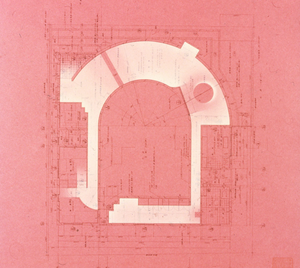
Architectural Design 96.4: The Nature of Japanese Architecture Published by Architectural Design.
Edited by Hitoshi Abe, Tohru Horiguchi, Shunsuke Kurakata, Osamu Tsukihashi, Ashley Simone, Hen Stanford. Contributions from Sou Fujimoto, Toyo Ito, Shigeru Ban, Ryue Nishizawa and others confer on the role of changing environments in regional architecture Since antiquity, Japanese architecture has expressed an interdependence with nature, understood both as the living environment and as the expressive character of an aesthetic rooted in tradition yet attuned to a spectrum ranging from the quiet beauty of impermanence and the exuberance that change can bring. Recurring natural disasters have shaped this orientation, compelling architects to seek not dominance over their surroundings but forms of coexistence that accept contingency as a fundamental condition. This issue of Architectural Design examines how that sensibility endures today, manifesting in diverse approaches that redefine what it means for architecture to be ecological, responsive and culturally grounded. Emerging from the dual pressures of environmental volatility and prolonged economic stagnation, contemporary Japanese practice has generated a renewed creativity, one that transforms constraint into invention and reimagines architecture’s pact with nature.
Contributors include: Jun Aoki, Ryuichi Ashizawa, Sou Fujimoto, Go Hasegawa, Akihisa Hirata, Yuki Hyakuda, Taro Igarashi, Souhei Imamura, Toyo Ito, Shunsuke Kurakata, Hiroshi Nakamura, Yasuaki Onoda, Kiyoaki Takeda, Ippei Takahashi, Keisuke Toyoda, Eri Tsugawa, Yoshiharu Tsukamoto, Shigenori Uoya, Suzuko Yamada.
|