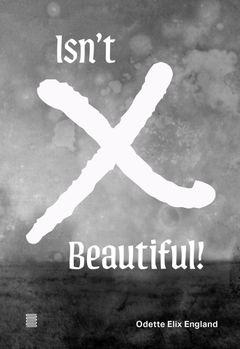
From Xanax to Xanadu to Kodak Double X, Odette England's photographic memoir-cum-meditation is a reckoning with childhood, memory and the meaning of images
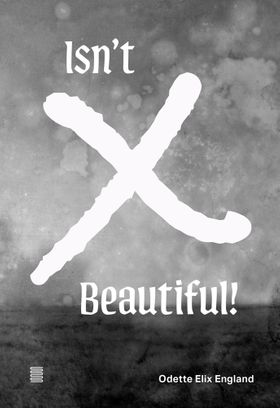
Writer and artist Odette Elix England (born 1975) first crossed paths with photography—and, crucially, the letter X—as a child on her family's 200-acre dairy farm in Southern Australia, watching her sharecropping father make SX-70 Polaroids of cattle in the springtime. In Isn't X Beautiful!, an autobiographical reckoning with family memory, the fate of that plot of land and the history of photography are tangled and bound at every turn with the ubiquitous letter X: shadowy character, placeholder for nothing and everything, age-old stand-in for the indefinable. Teeming with free-associative factoids, humor and philosophical tangents, and written with the obsessive idiosyncrasy of Tim Carpenter's To Photograph Is to Learn How to Die, England's ambling 10-chapter tale is an extended meditation on the blind spots of personal narrative and the functions (and limitations) of photography in our personal and creative lives.
FORMAT: Pbk, 4.25 x 6 in. / 208 pgs / 11 b&w. LIST PRICE: U.S. $25.00 LIST PRICE: CANADA $35 GBP £20.00 ISBN: 9798985733068 PUBLISHER: The Ice Plant AVAILABLE: 5/5/2026 DISTRIBUTION: D.A.P. RETAILER DISC: TRADE PUBLISHING STATUS: Active AVAILABILITY: In stock TERRITORY: NA LA UK EUR ASIA AFR ME
From Xanax to Xanadu to Kodak Double X, Odette England's photographic memoir-cum-meditation is a reckoning with childhood, memory and the meaning of images
Writer and artist Odette Elix England (born 1975) first crossed paths with photography—and, crucially, the letter X—as a child on her family's 200-acre dairy farm in Southern Australia, watching her sharecropping father make SX-70 Polaroids of cattle in the springtime. In Isn't X Beautiful!, an autobiographical reckoning with family memory, the fate of that plot of land and the history of photography are tangled and bound at every turn with the ubiquitous letter X: shadowy character, placeholder for nothing and everything, age-old stand-in for the indefinable. Teeming with free-associative factoids, humor and philosophical tangents, and written with the obsessive idiosyncrasy of Tim Carpenter's To Photograph Is to Learn How to Die, England's ambling 10-chapter tale is an extended meditation on the blind spots of personal narrative and the functions (and limitations) of photography in our personal and creative lives.