Foreword by Alberto Bustamante. Text by Renata Juárez Huerdo, Justin Gaspar. Afterword by Hubert-Jan Henket.
Portraits of a new generation navigating gender, identity and heritage in Mexico City
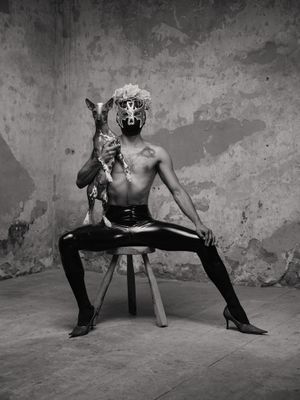
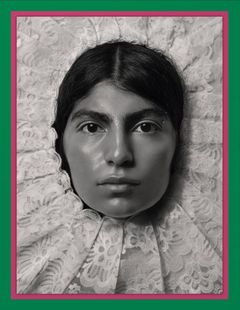
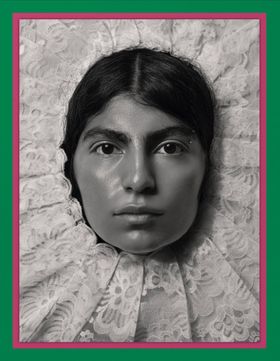
Dutch photographer Pieter Henket's (born 1979) Birds of Mexico City is a collection of portraits created in the years following the Covid-19 pandemic. During Henket's extended time in Mexico City, he and stylist Chino Castilla fostered a collaborative creative environment where participants could gather, experiment and express themselves freely. The space became a vibrant meeting point for dancers, mask-makers, designers and performers—each engaging with the interplay between Mexico's deeply rooted cultural symbolism and the liberating possibilities of modern self-expression. Within this setting, Henket and Castilla worked closely with each participant to craft portraits that reflect both the tension and the harmony between inherited traditions and lived identity. The book is structured in three thematic parts: "The Divine Feminine," "The Masculine" and "Mexican Culture and Artifacts." Together, these sections offer a layered visual narrative tracing how contemporary Mexican youth engage with and reinterpret the cultural, spiritual and historical forces that shape them.
PRAISE AND REVIEWS
The Observer
Tara Joshi
Dutch photographer Pieter Henket has long been interested in people who express themselves beyond society’s unspoken rules. His new book, Birds of Mexico City – named for his subjects finding their own sense of freedom – is the result of close collaboration with stylist Chino Castilla and young local creatives, examining queerness and transformation. These figures, channelling both Catholic and indigenous Mexican symbolism, pose in thoughtfully selected garments, powerful and dignified in the light.
Huck magazine
Isaac Muk
Birds of Mexico City’s' black-and-white portraits are striking and empowering, and a testament to the unafraid freedom of the younger generations of today. Costumes are elaborate and rich in detail, while also interrogating and reframing local folk tropes, artefacts, the land and indigenous patterns.
Blind Magazine
Guénola Pellen
To disarm a culture without confronting it head-on, that is the operation at work, with beauty serving as strategy. No one shouts in these images. The identities breathe.
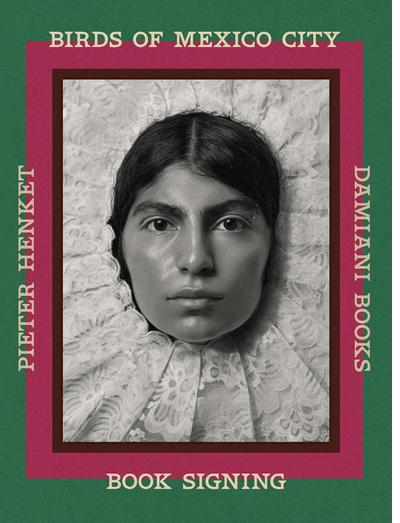
Tuesday, May 19, at 6 PM, Rizzoli Bookstore presents a conversation between photographer Pieter Henket and editor Justin Gaspar to celebrate Henket's new book, Birds of Mexico City, a collection of beautiful portraits of young people in Mexico City, interweaving themes of gender, sexuality, heritage and self-expression. The talk will be followed by a signing.
PLEASE NOTE: RSVPs are encouraged but not required. Seating is limited and will be first come, first served. Doors open at 5:30 pm.
FORMAT: Hbk, 8.5 x 11.25 in. / 144 pgs / 70 b&w. LIST PRICE: U.S. $55.00 LIST PRICE: CANADA $77 ISBN: 9788862088558 PUBLISHER: Damiani AVAILABLE: 4/21/2026 DISTRIBUTION: D.A.P. RETAILER DISC: TRADE PUBLISHING STATUS: Active AVAILABILITY: Not available TERRITORY: NA LA
Published by Damiani. Foreword by Alberto Bustamante. Text by Renata Juárez Huerdo, Justin Gaspar. Afterword by Hubert-Jan Henket.
Portraits of a new generation navigating gender, identity and heritage in Mexico City
Dutch photographer Pieter Henket's (born 1979) Birds of Mexico City is a collection of portraits created in the years following the Covid-19 pandemic. During Henket's extended time in Mexico City, he and stylist Chino Castilla fostered a collaborative creative environment where participants could gather, experiment and express themselves freely. The space became a vibrant meeting point for dancers, mask-makers, designers and performers—each engaging with the interplay between Mexico's deeply rooted cultural symbolism and the liberating possibilities of modern self-expression. Within this setting, Henket and Castilla worked closely with each participant to craft portraits that reflect both the tension and the harmony between inherited traditions and lived identity. The book is structured in three thematic parts: "The Divine Feminine," "The Masculine" and "Mexican Culture and Artifacts." Together, these sections offer a layered visual narrative tracing how contemporary Mexican youth engage with and reinterpret the cultural, spiritual and historical forces that shape them.