A photographic record of a flamboyant Japanese subculture in decline
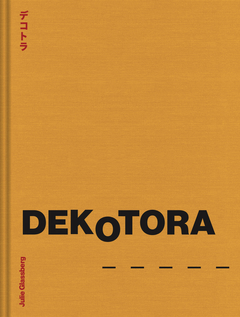
The Japanese subculture Dekotora, characterized by extravagantly decorated trucks and commercial vehicles—often featuring paintwork, neon lights and chrome accents—first caught on in the late 1960s as a form of mobile advertising: a truck carrying fish from Hokkaido, for example, would sport a traditional painting showing its cargo and origins. Today, due to regulations prohibiting this form of decoration because of the disrepute of the Dekotora scene, these trucks are used only by a few small businesses. In this photobook, French photographer Julie Glassberg documents this diminishing scene. Her photographs are contextualized by a lengthy, illuminating conversation with Japanese pop culture expert Kyoichi Tsuzuki. Through its considered interplay of image and text, the book asserts Dekotora’s cultural significance: Beyond its flashy exterior, Dekotora mirrors a penchant for elaborate decoration that is deeply ingrained in Japan’s suburban and rural communities.
STATUS: Forthcoming | 10/27/2026
This title is not yet published in the U.S. To pre-order or receive notice when the book is available, please email orders @ artbook.com
FORMAT: Hbk, 8.25 x 11 in. / 212 pgs / 100 color. LIST PRICE: U.S. $70.00 LIST PRICE: CANADA $98 ISBN: 9783907236949 PUBLISHER: Edition Patrick Frey AVAILABLE: 10/27/2026 DISTRIBUTION: D.A.P. RETAILER DISC: TRADE PUBLISHING STATUS: Forthcoming AVAILABILITY: Awaiting stock TERRITORY: NA LA AFR ME
A photographic record of a flamboyant Japanese subculture in decline
The Japanese subculture Dekotora, characterized by extravagantly decorated trucks and commercial vehicles—often featuring paintwork, neon lights and chrome accents—first caught on in the late 1960s as a form of mobile advertising: a truck carrying fish from Hokkaido, for example, would sport a traditional painting showing its cargo and origins. Today, due to regulations prohibiting this form of decoration because of the disrepute of the Dekotora scene, these trucks are used only by a few small businesses.
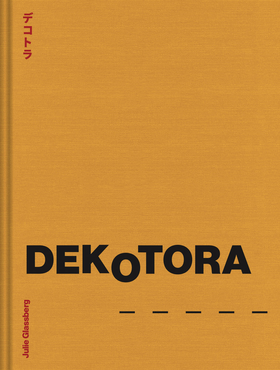
In this photobook, French photographer Julie Glassberg documents this diminishing scene. Her photographs are contextualized by a lengthy, illuminating conversation with Japanese pop culture expert Kyoichi Tsuzuki. Through its considered interplay of image and text, the book asserts Dekotora’s cultural significance: Beyond its flashy exterior, Dekotora mirrors a penchant for elaborate decoration that is deeply ingrained in Japan’s suburban and rural communities.