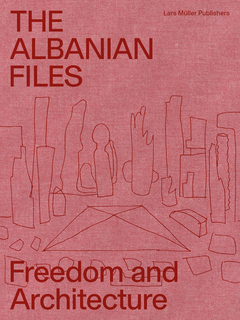
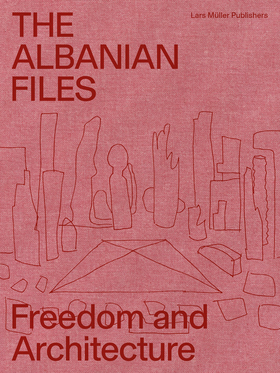
A pathbreaking overview of contemporary Albanian architecture and the international firms contributing to the country’s new landscape
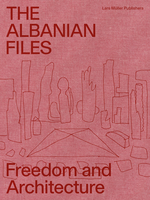
Albania has been shaped by past eras and absorbed a rich mix of religious, cultural and architectural influences—Islamic, Christian Orthodox, Catholic and secular. Following the collapse of the dictatorial regime in 1992, a rupture with the past emerged as people rebelled against regime-era buildings, reappropriating public space for self-expression. Three decades later, Albania remains in transition—culturally, socially and architecturally. This ongoing renewal has placed architecture at the center of national discourse. The Albanian Files focuses on this transformation and brings together 60 international offices currently working in Albania, some of which have been active in the country since the early 2000s. Each office submitted a contribution with reflections on their experiences in Albania and on architecture built and proposed.
STATUS: Out of stock
Temporarily out of stock pending additional inventory.
FORMAT: Pbk, 8.75 x 11.75 in. / 800 pgs / 1500 color. LIST PRICE: U.S. $75.00 LIST PRICE: CANADA $105 ISBN: 9783037788004 PUBLISHER: Lars Müller Publishers AVAILABLE: 9/15/2026 DISTRIBUTION: D.A.P. RETAILER DISC: TRADE PUBLISHING STATUS: Active AVAILABILITY: Out of stock TERRITORY: NA LA
Published by Lars Müller Publishers. Edited by Anneke Abhelakh. Foreword by Edi Rama.
A pathbreaking overview of contemporary Albanian architecture and the international firms contributing to the country’s new landscape
Albania has been shaped by past eras and absorbed a rich mix of religious, cultural and architectural influences—Islamic, Christian Orthodox, Catholic and secular. Following the collapse of the dictatorial regime in 1992, a rupture with the past emerged as people rebelled against regime-era buildings, reappropriating public space for self-expression. Three decades later, Albania remains in transition—culturally, socially and architecturally. This ongoing renewal has placed architecture at the center of national discourse. The Albanian Files focuses on this transformation and brings together 60 international offices currently working in Albania, some of which have been active in the country since the early 2000s. Each office submitted a contribution with reflections on their experiences in Albania and on architecture built and proposed.