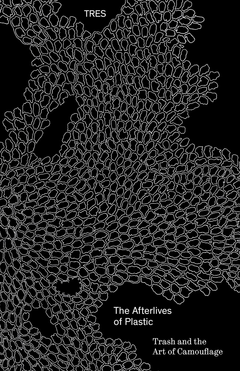
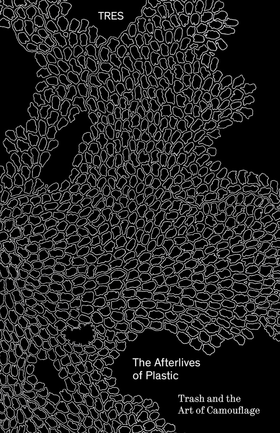
The Afterlives of Plastic: Trash and the Art of Camouflage
Text by TRES, Tim Cresswell, Adeola Enigbokan, Raúl Rodríguez Freire.
Documentation and analysis of the deleterious transformation that debris undergoes in marine ecosystems
Published with Peabody Museum Press.
The art collective TRES (Ilana Boltvinik and Rodrigo Viñas), an art-research duo founded in Mexico City in 2009, focuses on investigating the political, social, biological and material effects of garbage and its enduring presence. The Afterlives of Plastic documents TRES’ 2016 journey along the beaches of Queensland, Western Australia and Tasmania, where they collected and photographed marine debris—much of it plastic—that had washed up from places as far away as Hong Kong. Divided into chapters that explore the transformation of these found objects during their maritime journeys, this book presents notes, charts, photographs and ephemera—many presented in macro scale—from TRES’ travels, inviting readers to ponder surprising relationships that have formed where the castoffs of material culture and marine life now coexist. The omnipresence of plastics in world ecosystems is further elucidated in essays by TRES and other scholars.
STATUS: Forthcoming | 12/29/2026
This title is not yet published in the U.S. To pre-order or receive notice when the book is available, please email orders @ artbook.com
The Afterlives of Plastic: Trash and the Art of Camouflage
Published by KMEC Books. Text by TRES, Tim Cresswell, Adeola Enigbokan, Raúl Rodríguez Freire.
Documentation and analysis of the deleterious transformation that debris undergoes in marine ecosystems
Published with Peabody Museum Press.
The art collective TRES (Ilana Boltvinik and Rodrigo Viñas), an art-research duo founded in Mexico City in 2009, focuses on investigating the political, social, biological and material effects of garbage and its enduring presence. The Afterlives of Plastic documents TRES’ 2016 journey along the beaches of Queensland, Western Australia and Tasmania, where they collected and photographed marine debris—much of it plastic—that had washed up from places as far away as Hong Kong. Divided into chapters that explore the transformation of these found objects during their maritime journeys, this book presents notes, charts, photographs and ephemera—many presented in macro scale—from TRES’ travels, inviting readers to ponder surprising relationships that have formed where the castoffs of material culture and marine life now coexist. The omnipresence of plastics in world ecosystems is further elucidated in essays by TRES and other scholars.