Edited by Isabela Eseverri. Text by Toti Vollmer, Mariapía Bevilacqua.
Sublime examples of Warao weaving invite readers to discover the living ancestral aesthetics of a region of Indigenous Venezuela
Published with C&FE Collection.
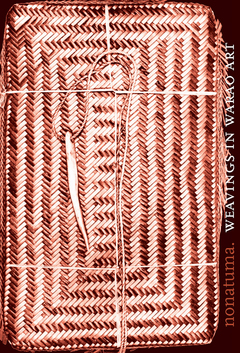
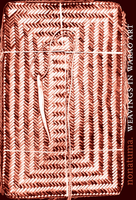
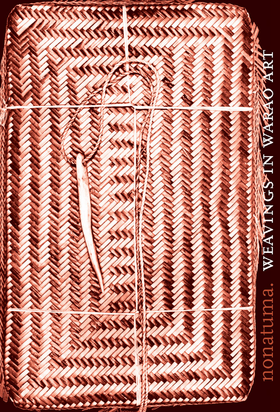
The Warao ethnic group, inhabitants of the Orinoco Delta in eastern Venezuela, weave baskets, bowls, hammocks and other objects from local plants such as the moriche palm tree. They have been internationally recognized for their technical skill and sublime craftsmanship since the late 1970s, when designer Nereus Bell, anthropologist Kathy Hayes and the Yakera Civil Association helped to ethically promote and market their art, long before the idea of “fair trade” became popular. Designed to open like a basket, with two blocks of pages bound both vertically and horizontally, this 500-plus-page tome presents more than 200 examples of Warao weaving. Building upon Bell and Hayes’ documentary research some 50 years prior, it unites subsequent decades of joint work between researchers, collectors and Indigenous communities.
STATUS: Forthcoming | 12/8/2026
This title is not yet published in the U.S. To pre-order or receive notice when the book is available, please email orders @ artbook.com
Published by Turner. Edited by Isabela Eseverri. Text by Toti Vollmer, Mariapía Bevilacqua.
Sublime examples of Warao weaving invite readers to discover the living ancestral aesthetics of a region of Indigenous Venezuela
Published with C&FE Collection.
The Warao ethnic group, inhabitants of the Orinoco Delta in eastern Venezuela, weave baskets, bowls, hammocks and other objects from local plants such as the moriche palm tree. They have been internationally recognized for their technical skill and sublime craftsmanship since the late 1970s, when designer Nereus Bell, anthropologist Kathy Hayes and the Yakera Civil Association helped to ethically promote and market their art, long before the idea of “fair trade” became popular. Designed to open like a basket, with two blocks of pages bound both vertically and horizontally, this 500-plus-page tome presents more than 200 examples of Warao weaving. Building upon Bell and Hayes’ documentary research some 50 years prior, it unites subsequent decades of joint work between researchers, collectors and Indigenous communities.