Edited by Pascal Brioist, Andrea Bernardoni. Foreword by François Saint Bris.
Water as natural phenomenon, scientific subject and pictorial material—a fascinating guide to the Renaissance master’s interdisciplinary approach to life’s most precious resource
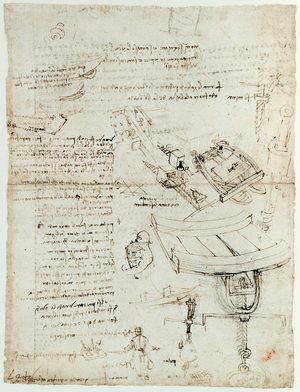
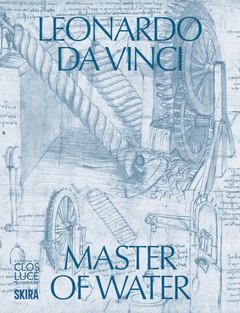
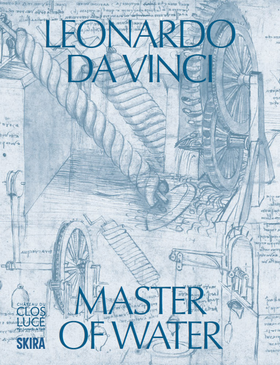
Published to accompany the exhibition at the Clos Lucé, the last dwelling of Leonardo da Vinci (1452–1519), this volume brings together autograph drawings, manuscripts, scientific studies, sketches of hydraulic machines and works of art to evince how water permeates the Renaissance man’s entire corpus, from his paintings to his engineering discoveries. Dams, canals, flood-regulation systems and studies of currents and vortices testify to the striking modernity of his vision, in which observation of nature fuels technical innovation. At the crossroads of art history, science and contemporary issues related to water and the environment, this abundantly illustrated book is accompanied by essays written by dozens of specialists. Both an exhibition catalog and a reference book, it invites readers to rediscover a visionary way of thinking—more relevant than ever at a time when the management and preservation of water constitute a major challenge for our future.
FORMAT: Pbk, 7.75 x 10.25 in. / 192 pgs / 100 color. LIST PRICE: U.S. $35.00 LIST PRICE: CANADA $49 ISBN: 9782370743145 PUBLISHER: SKIRA AVAILABLE: 9/1/2026 DISTRIBUTION: D.A.P. RETAILER DISC: TRADE PUBLISHING STATUS: Active AVAILABILITY: In stock TERRITORY: NA ONLY
Published by SKIRA. Edited by Pascal Brioist, Andrea Bernardoni. Foreword by François Saint Bris.
Water as natural phenomenon, scientific subject and pictorial material—a fascinating guide to the Renaissance master’s interdisciplinary approach to life’s most precious resource
Published to accompany the exhibition at the Clos Lucé, the last dwelling of Leonardo da Vinci (1452–1519), this volume brings together autograph drawings, manuscripts, scientific studies, sketches of hydraulic machines and works of art to evince how water permeates the Renaissance man’s entire corpus, from his paintings to his engineering discoveries. Dams, canals, flood-regulation systems and studies of currents and vortices testify to the striking modernity of his vision, in which observation of nature fuels technical innovation. At the crossroads of art history, science and contemporary issues related to water and the environment, this abundantly illustrated book is accompanied by essays written by dozens of specialists. Both an exhibition catalog and a reference book, it invites readers to rediscover a visionary way of thinking—more relevant than ever at a time when the management and preservation of water constitute a major challenge for our future.