New abstract works by Adam Pendleton that expand the language of Black Dada, both visually and spatially
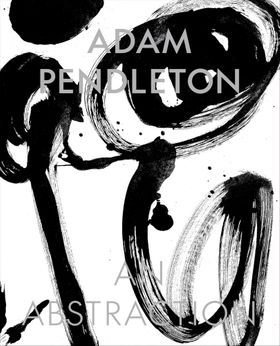
Through his dynamic paintings and text-based works, Black Dada pioneer Adam Pendleton (born 1984) continually focuses on the intersection between Blackness, abstraction and the avant-garde. An Abstraction is both a document and an evolution of Pendleton’s first solo show at Pace’s New York gallery in 10 years, epitomizing his “[fight] for the right to exist in and through abstraction.” Comprised of 12 paintings and 13 drawings from the artist’s Black Dada and Untitled (Days) bodies of work, hanging within a monumental, site-specific architecture consisting of five black triangular forms, An Abstraction reorders the gallery into new, unexpected spaces. Each new work also features a typographic letter from the phrase “Black Dada,” thus creating a new pictorial language for the movement.
FORMAT: Hbk, 9.5 x 11.75 in. / 125 pgs / 72 color. LIST PRICE: U.S. $55.00 LIST PRICE: CANADA $77 GBP £47.00 ISBN: 9781948701754 PUBLISHER: Pace Publishing AVAILABLE: 9/23/2025 DISTRIBUTION: D.A.P. RETAILER DISC: TRADE PUBLISHING STATUS: Active AVAILABILITY: In stock TERRITORY: WORLD
Published by Pace Publishing. Text by Marc Glimcher.
New abstract works by Adam Pendleton that expand the language of Black Dada, both visually and spatially
Through his dynamic paintings and text-based works, Black Dada pioneer Adam Pendleton (born 1984) continually focuses on the intersection between Blackness, abstraction and the avant-garde. An Abstraction is both a document and an evolution of Pendleton’s first solo show at Pace’s New York gallery in 10 years, epitomizing his “[fight] for the right to exist in and through abstraction.” Comprised of 12 paintings and 13 drawings from the artist’s Black Dada and Untitled (Days) bodies of work, hanging within a monumental, site-specific architecture consisting of five black triangular forms, An Abstraction reorders the gallery into new, unexpected spaces. Each new work also features a typographic letter from the phrase “Black Dada,” thus creating a new pictorial language for the movement.