Published by Kaph Books. Text by Rania Matar, Elliot Josephine Leila Reichert, Kim Ghattas, Youmna Melhem Chamieh, Georges Boustany.
Published with Eskenazi Museum of Art.
In commemoration of the 50th anniversary of the Lebanese Civil War, Boston-based photographer Rania Matar (born 1964) collaborated with young Lebanese women to visualize their life stories and complex relationships to their beautiful, war-torn homeland. Having immigrated from Lebanon to the United States when she was 20, Matar sees herself in her portrait subjects—many of whom have found themselves at the same critical juncture, deliberating whether to stay or leave. Her photographs of the women are rooted in empathy and empowerment; she encouraged the women to become active participants in the image-making process, presiding over their bodies and making the environment their own. The series captures the women as they embrace life and its attendant risks: climbing on rocks and trees, jumping fully dressed into dirty water and waterfalls, and trespassing into abandoned buildings. A series of essays that reflect upon life in Lebanon accompany Matar's majestic portraits.
Published by Kaph Books. Text by Elliot Josephine Leila Reichert, Kim Ghattas, Youmna Melhem Chamieh, Georges Boustany.
In commemoration of the 50th anniversary of the Lebanese Civil War, Boston-based photographer Rania Matar (born 1964) collaborated with young Lebanese women to visualize their life stories and complex relationships to their beautiful, war-torn homeland. Having emigrated from Lebanon to the United States when she was 20, Matar sees herself in her portrait subjects—many of whom have found themselves at the same critical juncture, deliberating whether to stay or leave. Her photographs of the women are rooted in empathy and empowerment; she encouraged the women to become active participants in the image-making process, presiding over their bodies and making the environment their own. The series captures the women as they embrace life and its attendant risks: climbing on rocks and trees, jumping fully dressed into dirty water and waterfalls, and trespassing into abandoned buildings. With a slightly modified design, this second edition is being printed less than a year after the first edition, which has already sold out.
Published by Damiani. Introduction by Her Majesty Queen Noor. Text by Lois Lowry. Afterword by Kristen Gresh.
In today’s world of endless photographing, tagging and posting images online, what is a pre-teen girl’s relationship to the camera? Upending assumptions of contemporary digital image-making practices, photographer Rania Matar (born 1964) reframes these young women through her poignant portraits of them, revealing in L’Enfant-Femme how girls between the ages of 8 and 13 interact with the camera and in so doing depicts them in deeply personal and poetic ways. Addressing themes of representation, voyeurism and transgression, these images remind us of the fragility of youth while also gesturing toward its unbridled curiosity and joy. Photographing girls in the Middle East and the United States, Matar makes us examine our universality, a beauty that transcends place, background and religion. Candidly capturing her subjects at a critical juncture in the early stages of adolescence, Matar conveys the confluence of angst, sexuality and personhood that defines the progression from childhood into adulthood.

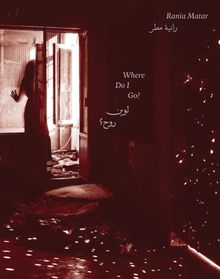
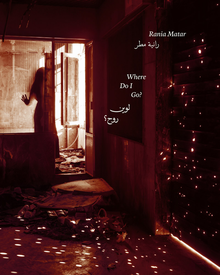 Rania Matar: Where Do I Go?
 Rania Matar: L'Enfant-Femme