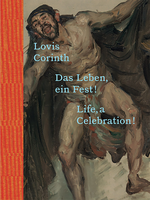
Edited with text by Thomas Köhler, Stefanie Heckmann, Janina Nentwig. Text by Sven Haase, Johanna Haug, Peter W. Marx, Andreas Schalhorn.
Exploring the influences of and on Berlin in the career of one of the most important representatives of German Impressionism
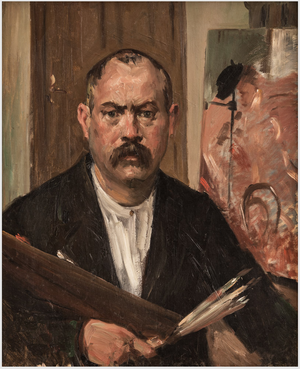
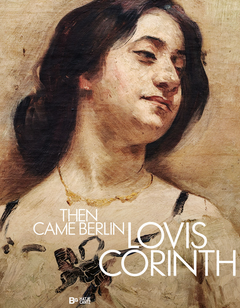
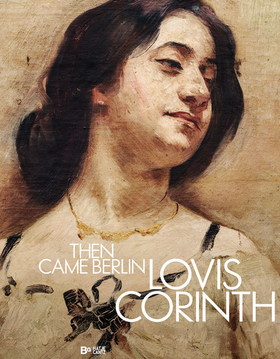
The significance of Lovis Corinth (1858–1925) to Modernism can hardly be overstated. Even during his lifetime, the painter was among the most prominent figures in the Berlin art scene. Born and raised in Tapiau, East Prussia, he moved from Munich to the imperial capital in 1900. At that time, Berlin was already significantly more progressive than the Bavarian residence city. Corinth is said to have commented on his success story on the Spree: "It didn't take off until Berlin." This volume focuses on Corinth's career in Berlin and his major influence on the city's art scene, but also on his influential private environment. Lesser known elements of his life illustrate how modern the artist's painting, life and thinking were: these include Corinth's painting school, where he primarily taught women, and his work for Berlin's theaters.
STATUS: Forthcoming | 12/29/2026
This title is not yet published in the U.S. To pre-order or receive notice when the book is available, please email orders @ artbook.com
Published by Hatje Cantz. Edited with text by Thomas Köhler, Stefanie Heckmann, Janina Nentwig. Text by Sven Haase, Johanna Haug, Peter W. Marx, Andreas Schalhorn.
Exploring the influences of and on Berlin in the career of one of the most important representatives of German Impressionism
The significance of Lovis Corinth (1858–1925) to Modernism can hardly be overstated. Even during his lifetime, the painter was among the most prominent figures in the Berlin art scene. Born and raised in Tapiau, East Prussia, he moved from Munich to the imperial capital in 1900. At that time, Berlin was already significantly more progressive than the Bavarian residence city. Corinth is said to have commented on his success story on the Spree: "It didn't take off until Berlin."
This volume focuses on Corinth's career in Berlin and his major influence on the city's art scene, but also on his influential private environment. Lesser known elements of his life illustrate how modern the artist's painting, life and thinking were: these include Corinth's painting school, where he primarily taught women, and his work for Berlin's theaters.