Published by DESTE Foundation for Contemporary Art. Edited by Karen Marta. Text by Alison Gingeras, Dakis Joannou.
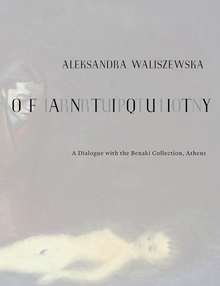
The totemic, symbolist paintings of Polish artist Aleksandra Waliszewska (born 1976) can be viewed as engaging in a specific kind of irruption: the sudden, forceful entry of ancient visual tropes into the present. The 15 works featured in Irruption of Antiquity are testament to this anachronistic intermixing of modern aesthetics with classical imagery, specifically that of ancient Greek art and mythology. Serving as both documentation and extension of the exhibition installed across two floors of Athens’ Benaki Museum, this book collects writings by the exhibition's curator, Alison Gingeras, who probes the charged iconographic tensions between objects spanning Neolithic Greece, classical antiquity, the Byzantine world and the modern Greek era, and Waliszewska’s intense psychological tableaux.
Published by DESTE Foundation for Contemporary Art. Edited by Karen Marta, Massimiliano Gioni. Text by Lauren Cornell.
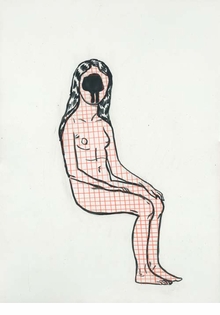
Why are images of girls in distress considered so alluring? Polish artist Aleksandra Waliszewska (born 1976) rebels against traditional representations of victimhood. In her paintings on cardboard, reminiscent of Raymond Pettibon, the girls do not need or want to be rescued; although seemingly innocent and vulnerable, they are depicted as forces of aggression and ruthless domination. Born during communism but coming of age after its fall in 1989, Waliszewska moves easily across cultural contexts, enjoying both institutional acclaim as well as popularity among Poland’s youth counterculture.
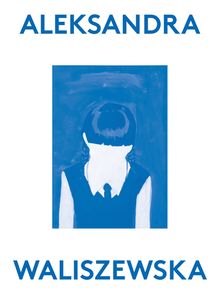
Part of the 2000 Words series conceived by Massimiliano Gioni and published by the DESTE Foundation for Contemporary Art, this colorful monograph, with an essay by Lauren Cornell, celebrates Waliszewska’s work, which calls into question society’s moral bounds by reveling in lawlessness and depravity.
 Aleksandra Waliszewska: 2000 Words