| |||||||||||||||||||||||||
ARTIST MONOGRAPHS
|
|

STATUS: Forthcoming | 12/8/2026 This title is not yet published in the U.S. To pre-order or receive notice when the book is available, please email orders @ artbook.com |
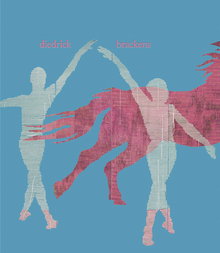
 Diedrick Brackens: darling divined
Published by New Museum/Blanton Museum.
Edited with interview by Margot Norton. Foreword by Lisa Phillips and Simone Wicha. Text by Derrick Austin, Essex Hemphill, Danielle Jackson, Veronica Roberts.
Diedrick Brackens (born 1989) constructs intricately woven textiles that speak to the complexities of Black and queer identity in the United States. He foregrounds the loaded associations of cotton, which is enmeshed in the history of the transatlantic slave trade, and inscribes his weavings with symbolic materials and figures that probe the tangled threads of American history.
For darling divined, Brackens presents a selection of new and recent weavings. Their titles draw from poetry and literature by writers such as Essex Hemphill, a poet and activist known for openly addressing race, sexuality, the rise of HIV/AIDS and other issues affecting the queer African American community. This work was inspired by Hemphill’s poems, particularly “The Father, Son and Unholy Ghosts,” which speaks to the intricacies of familial relationships and the radical gesture of birthing one’s own identity. Brackens’ large-scale tapestries portray moments of intimacy between coupled beings, whether they be animals, lovers, relatives or friends.
PUBLISHER
New Museum/Blanton Museum
BOOK FORMAT
Paperback, 7.25 x 9.75 in. / 188 pgs / 59 color.
PUBLISHING STATUS
Pub Date 2/1/2022
Out of print
DISTRIBUTION
D.A.P. Exclusive
Catalog: FALL 2021 p. 136
PRODUCT DETAILS
ISBN 9780915557271 TRADE
List Price: $25.00 CAD $34.00 GBP £20.00
AVAILABILITY
Not available
STATUS: Out of print | 00/00/00 For assistance locating a copy, please see our list of recommended out of print specialists |